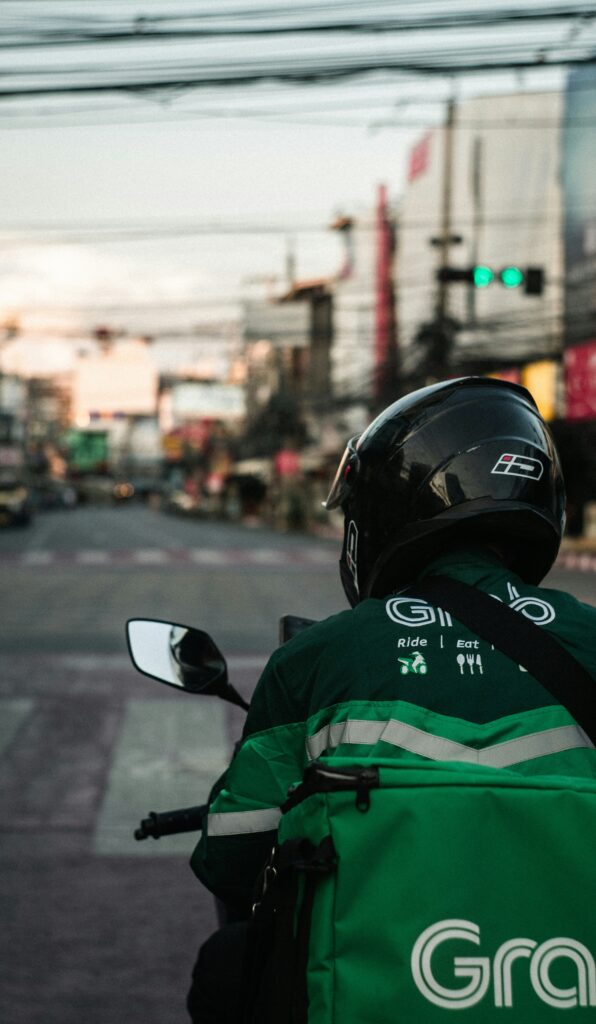
Introduction – Why Australians Default to Grab
Many Australians arrive in Bangkok and instinctively open Grab because it feels familiar and widely recommended. Grab operates across Southeast Asia and is often treated as the default rideshare option.
Bolt, however, also operates in Bangkok and is often cheaper for the same route and vehicle type. Understanding the differences allows you to choose based on price and practicality, rather than habit.
This guide explains how Bolt and Grab compare in Bangkok so Australian travellers can decide which app makes more sense for each ride.
Do Australians Need Ride Apps in Bangkok?
Bangkok’s BTS Skytrain and MRT are efficient, and traditional taxis are widely available. However, ride apps solve common issues Australians encounter:
- Language barriers
- Fare negotiation
- Uncertainty about routes
- Late-night or early-morning transport
- Door-to-door trips with luggage
You do not strictly need both apps, but having both installed gives you price comparison and backup if one has long wait times.
What Is Grab?
Grab is a major ride-hailing and delivery platform operating throughout Southeast Asia.
In Bangkok it offers:
- Standard car rides
- Larger vehicles
- Motorbike taxis
- In-app tracking and receipts
For Australians:
- Existing accounts usually work immediately
- The app is in English
- Coverage is strong in central Bangkok and tourist areas
Grab is widely recognised and generally reliable, which makes it a common first choice.
What Is Bolt?
Bolt is an international ride-hailing platform operating in Bangkok with a strong driver base.
It focuses primarily on transport rather than delivery services.
For Australians:
- Setup is straightforward
- The interface is in English
- Pricing is often lower on standard city trips
Bolt is commonly used by locals and expats because of its competitive fares.
Price Differences Explained
Exact prices vary, but Bolt frequently quotes lower fares than Grab for comparable trips.
Reasons include:
- Lower base fares and per-kilometre pricing
- Competitive positioning in Bangkok
- Less emphasis on premium vehicle tiers
Grab uses demand-based pricing during peak traffic or heavy rain. Bolt can also adjust pricing, but often remains cheaper on short-to-medium inner-city trips.
The practical approach:
Open both apps. Compare the fare. Book the better option.
When Grab Makes More Sense
Grab can be the better choice when:
- You need a car quickly
- It is raining heavily
- You are travelling from the airport
- You want a larger or premium vehicle
- You prefer detailed digital receipts
Grab often has broader driver availability during high-demand periods.
When Bolt Makes More Sense
Bolt may be preferable when:
- Price is your priority
- You are travelling short-to-medium distances
- You are riding during off-peak hours
- The quoted savings are meaningful
For frequent daily rides, even small price differences can add up.
Airport Pickups – Important Differences
Bangkok has two main airports:
- Suvarnabhumi (BKK)
- Don Mueang (DMK)
Grab at the Airport
Grab typically provides clearer pickup instructions and designated meeting areas. Availability is generally strong.
An airport surcharge may apply within the app.
For first-time arrivals, Grab often feels more structured.
Bolt at the Airport
Bolt also operates at both airports but may require closer coordination via in-app chat.
Pickup locations can be less clearly signposted compared to Grab.
Bolt can still be cheaper, but availability may vary depending on time and demand.
Safety Considerations for Australians
Both apps provide:
- Driver name and photo
- Vehicle details and registration plate
- GPS tracking
- Ride sharing features
Before entering the car:
- Match the plate number
- Confirm the driver name
- Sit in the rear seat
Most journeys are straightforward. The difference between the apps is primarily price and convenience, not fundamental safety structure.
Payment Methods (Cash vs Card)
Both Bolt and Grab support cash and card payments.
Grab:
- Card payments are usually smooth with Australian-issued cards
- Cash payment matches the on-screen fare
Bolt:
- Card support is available but may vary
- Many drivers prefer cash
If paying by card, check your Australian bank’s foreign transaction fees.
When offered a choice, select payment in Thai baht (THB), not Australian dollars, to avoid poor exchange rates.
Do You Need a Thai SIM or eSIM?
You can technically use Wi-Fi, but mobile data makes the process far smoother.
With mobile data:
- Drivers can message or call you
- Pickup points are easier to coordinate
- GPS tracking remains stable
Without data:
- Booking can be unreliable outside hotels or cafés
For regular ride use, a Thai SIM or eSIM is practical.
Common Mistakes Australians Make
- Installing only one app
- Not comparing live fares
- Standing in the wrong pickup zone at malls
- Ignoring toll costs on expressways
- Turning off mobile data during pickup
Avoiding these mistakes makes both apps easy to use.
FAQs
Is Bolt always cheaper?
Not always, but it frequently undercuts Grab on standard trips. Always compare live fares.
Which app should I install first?
Grab is familiar and reliable. Installing both is ideal.
Can I use an Australian card?
Yes, but check your bank’s overseas transaction fees.
Are motorbike rides available?
Both apps typically offer motorbike options in Bangkok.
Do I need to speak Thai?
No. The apps operate in English and use GPS for destinations.
Final Summary – The Simple Strategy
For Australians visiting Bangkok:
- Install both Bolt and Grab
- Compare fares before booking
- Use Grab for airport reliability
- Use Bolt when price differences are clear
- Keep mobile data active
Two apps. Two quotes. Choose based on the situation.
Useful Guide
Best SIM Card for Thailand (2026): What Australians Should Actually Buy